USMLE Score Validity & Invalidation: Policy, Causes & the Appeals Process Explained

Academic Director & USMLE Educator, Dermatology Resident

“Score invalidation” is one of the most anxiety-inducing phrases in the entire USMLE process, and also one of the most misunderstood. This guide replaces our earlier post about a specific 2024 incident with something more useful: the actual policy, what genuinely causes invalidation, and the formal process for responding if it ever happens to you.
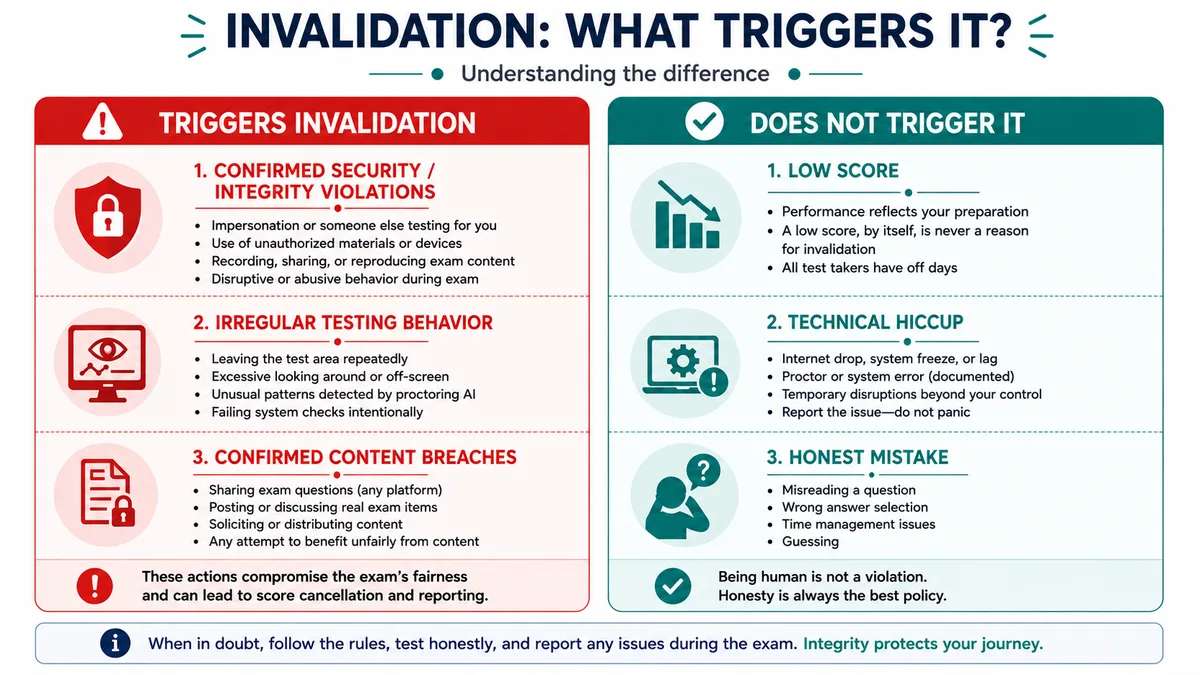
To be clear upfront: invalidation is rare and reserved for confirmed integrity or security issues, not something that happens because of a low score, a technical hiccup, or an honest mistake during testing.
- Invalidation follows confirmed test security or integrity violations, not low performance.
- USMLE maintains a formal appeals process with defined response windows and independent committee review.
- Passing Step 1/Step 2 CK scores are valid for 7 years before Step 3 must be completed.
- If you receive a notice, respond immediately through the official channel: deadlines are strict.
What Actually Causes a Score to Be Invalidated
USMLE’s test security program monitors for irregular testing behavior, confirmed breaches of secure exam content, and other integrity violations. When a violation is confirmed through this process, the associated score can be invalidated. This is a fundamentally different category from a low score or a disputed individual item; those do not trigger invalidation.
The Formal Appeals Process
If you receive an invalidation notice, USMLE’s process includes a defined response window (commonly cited as a limited number of days from notice) and review by a committee structured to be independent of the original determination. Because these timelines are strict, treat the notice as time-sensitive from the moment you receive it: gather any relevant documentation and respond through the official channel specified in the notice itself, not through general customer support.
- Missing the appeal response deadline because the notice wasn’t treated as urgent.
- Assuming any score delay or hold is the same as invalidation; they are different processes with different causes.
- Discussing an active case publicly on forums instead of through the formal channel, which can complicate your own appeal.
- Not keeping personal documentation of your testing conditions and conduct, which can matter if a dispute arises.
How This Differs From Normal Score Delays
A late score report is almost always administrative. See our full score-timeline guide for the common, benign reasons scores run behind schedule. Invalidation is a separate, security-driven process and should not be confused with a routine delay.
Score Validity Windows You Should Know
| Exam | Validity window |
|---|---|
| Step 1 & Step 2 CK (passing) | 7 years to complete Step 3 |
| Step 3 (passing) | No standard expiration once completed |
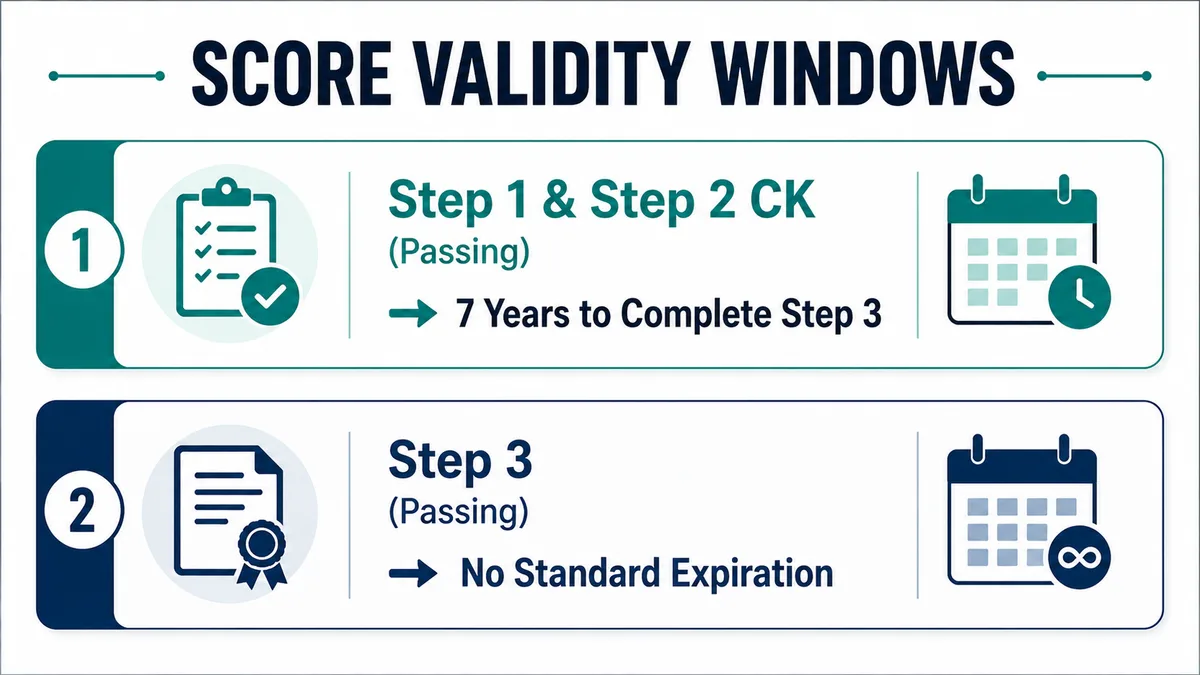
Always confirm the current policy on usmle.org, since validity windows are a matter of official policy that can be updated.
Protecting Yourself: Simple, Practical Steps
- Follow all testing-center rules precisely, including anything about personal items, breaks, and permitted materials.
- Never discuss specific exam content with anyone after testing; this protects both you and the exam’s integrity.
- Keep your own records of your test date, center, and any irregularities you noticed (technical issues, disruptions) in case they become relevant later.
Frequently Asked Questions
What causes a USMLE score to be invalidated?
Score invalidation generally follows confirmed test security violations (irregular behavior during testing, evidence of prohibited materials, or confirmed breaches of exam content) identified through USMLE’s security and psychometric review processes.
Can I appeal a score invalidation?
Yes. USMLE maintains a formal appeals process with defined windows to respond and a structured review by a committee separate from the original decision-makers. Deadlines are strict, so respond immediately if you receive a notice.
Does score invalidation happen often?
No, it is a rare outcome reserved for confirmed security or integrity issues, not something that happens due to a low score, a technical glitch, or an honest testing mistake.
How long is a valid USMLE score good for?
Passing Step 1 and Step 2 CK scores generally remain valid for 7 years before you must complete Step 3, per current USMLE policy; verify the current window on usmle.org, as this can be updated.
What should I do if I receive an invalidation notice?
Read the notice carefully for your response deadline, gather any documentation relevant to your case, and respond through the official channel indicated. Do not rely on general customer service or social media for this; use the formal appeals process.
Understanding the real policy here, not a scary headline, is what actually protects you. If you want a mentor guiding you through every stage of USMLE prep and test-day logistics, explore our mentorship program or read real student outcomes.
Next step
Step 1 & Step 2 CK Prep
Structured modules, 1-on-1 mentorship, and a 100-day plan to clear the boards.